





Areas of Focus


Racial Identity

Men's Issues

Identity Issues

Multi-cultural issues

Body Image

Coping Skills

Depression

Anxiety & Panic Disorders

Emotional regulation

Relationship Issues
Credentials


Master’s Degree in Social Work, specialization in Clinical Mental Health

Licensed Independent Clinical Social Worker (LICSW) — Washington State

Experience at International Community Health Services, supporting immigrant, refugee, and low-income populations

NASM Certified Personal Trainer

NASM Certified Nutrition Coach
Multi-cultural issues

Specialized Modalities

Cognitive Behavioral (CBT)

Dialectical Behavioral Therapy (DBT)

Motivational Interviewing
Culturally Sensitive

Solution Focused Brief (SFBT)

Strength-Based Therapy
.svg)

.svg)


What This Space Is Built For
I built this practice around one idea: therapy should feel like relief, not another obligation. Every part of how I work — from the first conversation to the tools we use together — is designed to lower the guard you walk in with, not raise it.

No performance required. You don't have to have the right words, the full story, or a diagnosis in hand — just show up as you are, and we'll work from there.
A Space Without Judgment

Care That Sees Your Culture
I work with a lot of men of color and Asian American clients who've never had a therapist who gets the cultural weight behind "just deal with it." You won't have to explain that part.

Evidence-Based, Not One-Size-Fits-All
CBT, DBT, and the other approaches on this page aren't scripts — they're tools I adapt to fit your actual life, at a pace that's yours to set.


Cognitive Behavioral Therapy (CBT)
Cognitive Behavioral Therapy (CBT)
Cognitive Behavioral Therapy focuses on how our thoughts shape the way we feel and act. When negative thinking patterns grow automatic — like self-criticism, catastrophizing, or assuming the worst — they can keep us stuck in cycles that affect our mood, relationships, and daily functioning. CBT helps you identify these patterns, test their accuracy, and replace them with healthier, more balanced perspectives grounded in reality.
This approach is collaborative and practical. Together, we’ll build skills you can apply immediately, allowing you to regain emotional balance, decrease stress, and move through life with more clarity and confidence.
Why This Matters
The way we think directly influences how we feel. Automatic negative thoughts or old narratives can limit progress, keep us on edge, or make us doubt ourselves. CBT gives you the tools to better understand your inner dialogue and reshape it in ways that support your growth instead of working against it. When your thinking becomes clearer and more grounded, your emotional life follows.
What We’ll Do Together
In CBT sessions, I work with you to uncover recurring thought patterns and understand how they show up in real situations. We’ll use techniques like reframing, mindful awareness, and simple behavioral practices to help interrupt unhelpful loops and build healthier habits. As you begin applying these insights outside of session, you’ll notice meaningful shifts in your mood, motivation, and overall sense of control in your daily life.


Dialectical Behavior Therapy (DBT)
Dialectical Behavior Therapy (DBT)
Dialectical Behavior Therapy is built for people who feel overwhelmed by emotions, stuck in reactive patterns, or disconnected in their relationships. DBT is a structured, evidence-based approach that teaches practical skills for emotional regulation, distress tolerance, mindfulness, and communicating effectively — all through a culturally responsive lens.
DBT is a structured, skills-based therapy designed for individuals who struggle with intense emotions, impulsive reactions, or relationship instability. It teaches emotional regulation, mindfulness, distress tolerance, and interpersonal effectiveness.
Why This Matters
When emotions feel overwhelming or life becomes unpredictable, DBT offers grounding, stability, and empowerment. It validates your lived experience while giving you tools to shift unhelpful patterns and build emotional balance. DBT helps you move from reacting impulsively to responding with clarity, confidence, and intention.
What We’ll Do Together
When emotions feel overwhelming or life becomes unpredictable, DBT offers grounding, stability, and empowerment. It validates your lived experience while giving you tools to shift unhelpful patterns and build emotional balance. DBT helps you move from reacting impulsively to responding with clarity, confidence, and intention.


Supportive Therapy
Supportive Therapy
Supportive Therapy offers a steady, compassionate space to process life’s challenges without judgment. It’s ideal for clients seeking ongoing emotional support, guidance, and encouragement while working through grief, stress, uncertainty, or major transitions. This approach centers trust, representation, and a therapeutic relationship where you can heal at your own pace.
Why This Matters
Many people carry the weight of unspoken emotions or long-term stress without realizing how deeply it affects their daily lives. Supportive Therapy provides a safe, grounding environment where you can feel understood and validated. Knowing that you’re not alone — and that your experiences are seen and respected — becomes an important foundation for healing and forward movement.
What We’ll Do Together
In our sessions, we focus on open conversation, emotional reflection, and clarifying what you need in the moment. I use a mix of active listening, gentle challenge, and affirming guidance to help you strengthen resilience and deepen self-awareness. Over time, we’ll explore your emotional patterns, build tools for navigating stress, and help you nurture yourself with compassion and accountability.
.png)
CONFLICT RESOLUTION THERAPY
Conflict Resolution & Communication Therapy
Conflict often shows up long before the argument. It’s rooted in unmet needs, emotional triggers, and communication patterns shaped by our histories. In this therapy, I help individuals and couples look beneath the surface to understand what’s really driving tension — so you can communicate with clarity, express yourself confidently, and approach disagreements from a place of curiosity rather than defensiveness.
Why This Matters
Unresolved conflict can create emotional distance, resentment, or ongoing tension at home or at work. When patterns repeat, it’s easy to feel stuck or misunderstood. This work matters because it gives you the tools to shift from reacting to understanding. As communication improves, relationships strengthen, trust is rebuilt, and your emotional environment becomes more steady and peaceful.
What We’ll Do Together
In our sessions, we’ll use guided dialogue, active listening, and boundary-setting techniques to help you approach conflict as something you can work through — not avoid. I’ll support you in recognizing your emotional triggers, communicating your needs clearly, and staying grounded during difficult conversations. Over time, you’ll feel more confident navigating disagreements and more connected in your relationships.
.png)

Motivational Interviewing
Motivational Interviewing
Motivational Interviewing (MI) helps you reconnect with your own motivation for change — especially when you feel stuck, conflicted, or are unsure of where to start. Instead of pushing you toward a direction, MI helps you explore your values, confront ambivalence, and choose the steps that feel most aligned with who you want to become. It’s a collaborative, non-judgmental approach designed to support lasting behavioral change.
Why This Matters
Many people struggle with cycles of avoidance, procrastination, or self-sabotage — even when they want things to be different. MI is important because it helps you understand the internal conflict behind these patterns. When you gain clarity about what you truly want and why certain behaviors show up, you can begin making conscious decisions that support your goals and long-term well-being.
What We’ll Do Together
In our work, we’ll set clear, achievable goals and explore what motivates you on a deeper level. I’ll help you track your progress, reinforce positive changes, and replace unhelpful habits with healthier routines. Over time, you’ll build confidence, reduce stress, and feel a greater sense of purpose in your daily life — with changes driven by your own values, not pressure.
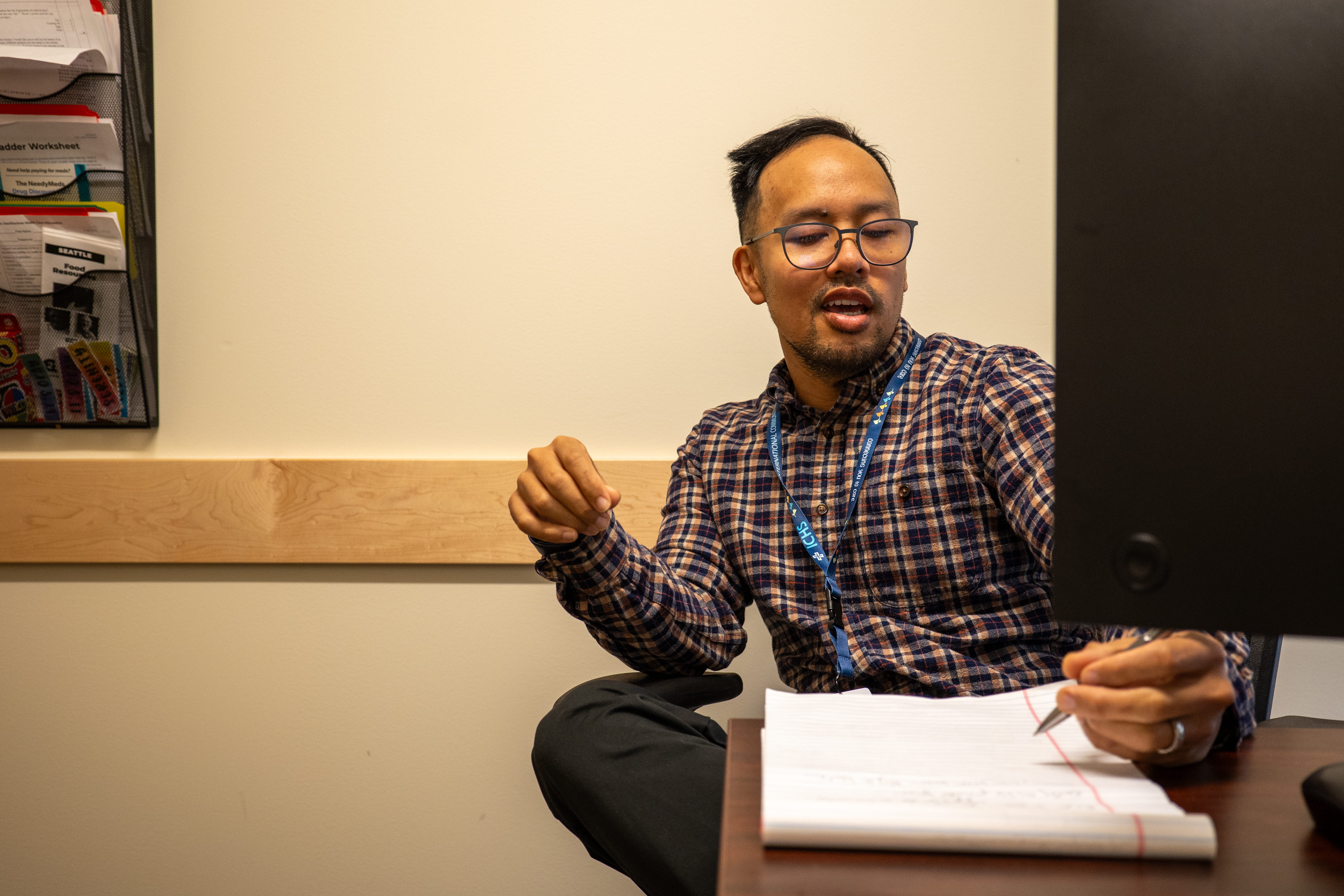
Nutrition and Physical Counseling
Nutrition and Physical Counseling
Nutrition and Physical Counseling focuses on the powerful connection between body and mind. Because movement, fuel, and lifestyle habits directly influence mood, energy, and emotional regulation, I integrate wellness strategies into therapy when it supports your healing. Whether you’re navigating anxiety, depression, trauma, or low motivation, we work together to build routines that strengthen both your mental and physical well-being.
Why This Matters
Your body and mind are deeply interconnected. When nutrition, sleep, or movement habits are out of balance, it can amplify stress, intensify emotions, and make it harder to cope day to day. This approach matters because when you take care of your physical foundation, your mental resilience grows as well. Small, realistic adjustments often lead to meaningful improvements in mood, focus, and overall stability.
What We’ll Do Together
In our work, we’ll explore simple, achievable wellness habits that align with your therapeutic goals. Together, we’ll look at your current routines, identify what supports you and what drains you, and create personalized strategies for improving energy and emotional regulation. This may include nutrition guidance, movement recommendations, or daily structure adjustments. Over time, these shifts help you feel more grounded, more capable, and more connected to your overall well-being.
.png)
.svg)
First Time? Here’s What You Can Expect
Beginning Your Therapy Journey
We make your visit easy, personalized, and pressure-free.
1
Reach Out When You're Ready
Let’s begin with a discovery call. This is a chance for us to connect, talk about what you’re navigating, and see if working together feels right — no pressure, just a conversation.
.svg)
2
We'll Walk Through The Logistics Together
After we’ve connected, we’ll walk through your payment options — whether through insurance or private pay. I’ll help you understand your coverage and make the process easy and transparent.

3
Your First Session
Your first session is a safe, welcoming space where you can show up as you are. Together, we’ll explore your goals, begin building a therapeutic relationship, and create a plan that supports your healing and growth.

4
Continue with Supportive Follow-Ups
Therapy is a process — we’ll check in regularly to make sure the work we’re doing feels aligned and supportive. You’ll have the option to continue weekly or biweekly, adjusting pace as needed.
I’m here with you.
While I always tailor my approach to fit your unique needs and preferences, I’ve found that blending directive, insight-oriented, somatic-based, and trauma-informed methods creates a powerful path forward. This combination helps bring clarity to your journey of self-discovery and healing — and I’ll be with you every step of the way.
Using Insurance for
Your Sessions

Once your insurance is verified, we’ll walk you through:
Copay and deductible details: Understanding what portion you’re responsible for
Session coverage: How many therapy sessions your plan includes
Claim filing: We handle claims submission directly to your insurer
Confidentiality assurance: Your personal health information remains fully protected under HIPAA compliance
You’ll receive a digital copy of your intake forms, including a dummy insurance claim section for your records. If you ever have questions about coverage, our support team will help interpret your policy and explain each step in plain language—no jargon, no stress.









No Insurance? No Problem.
Your access to therapy shouldn’t depend on your insurance card. For clients without coverage, we offer:

Flexible payment plans: Monthly or bi-weekly payment options
Self-pay transparency: Clear, upfront session costs—no surprise fees
We also provide superbills—detailed receipts you can submit to your provider for possible reimbursement.
Even without insurance, you deserve compassionate, quality care. We’ll work with you to create a plan that supports your healing journey and fits your financial reality.
.png)
FAQ’S
We make your visit easy, personalized, and pressure-free.
.svg)

.svg)
Additional Resources
International Community Health Services
Asian Counseling and Referral Service
REWA Refugee’s Women's alliance
SOUND Health
Health Point
Therapeutic Health Services
Valley Cities
Consejo
Seattle indian Health Board
Best Therapists
Multicultural Counselors
API Chiya
Suicide hotline support
Suicide and Crisis Lifeline - 988
Chat at 988lifeline.org
Emergency services - 911
Please go to your nearest emergency room if you feel a crisis may develop
.svg)
